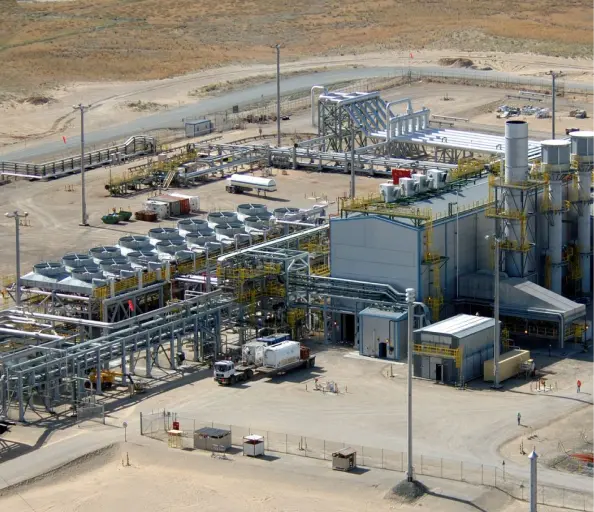
Tengizchevroil is a leading company that produces oil, gas and associated products that fuels the modern economy. Our history is closely interlinked with the rise of an independent Kazakhstan.
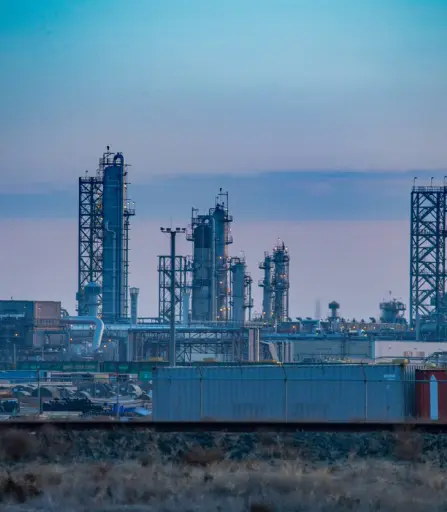
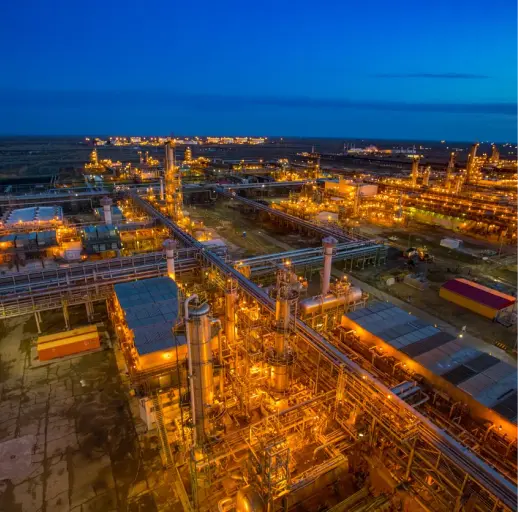
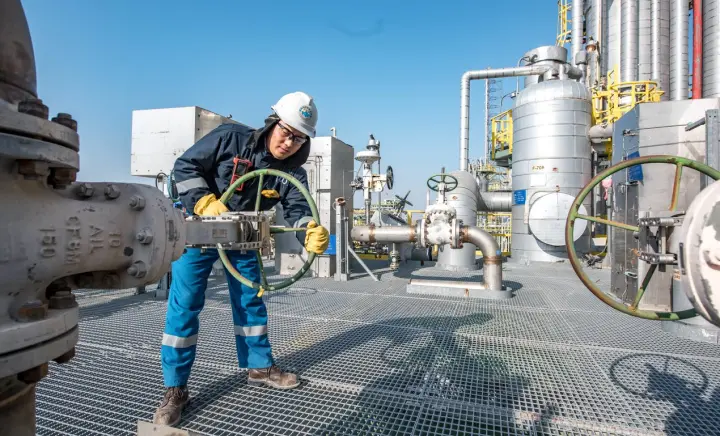
TCO maintains a leading position in the field of industrial safety in terms of such standard indicators as lost working days incidents and the rate of reported incidents.

TCO continues to achieve industry-leading safety results in standard industrial safety measurements such as Serious Incidents and Total Recordable Incidents.
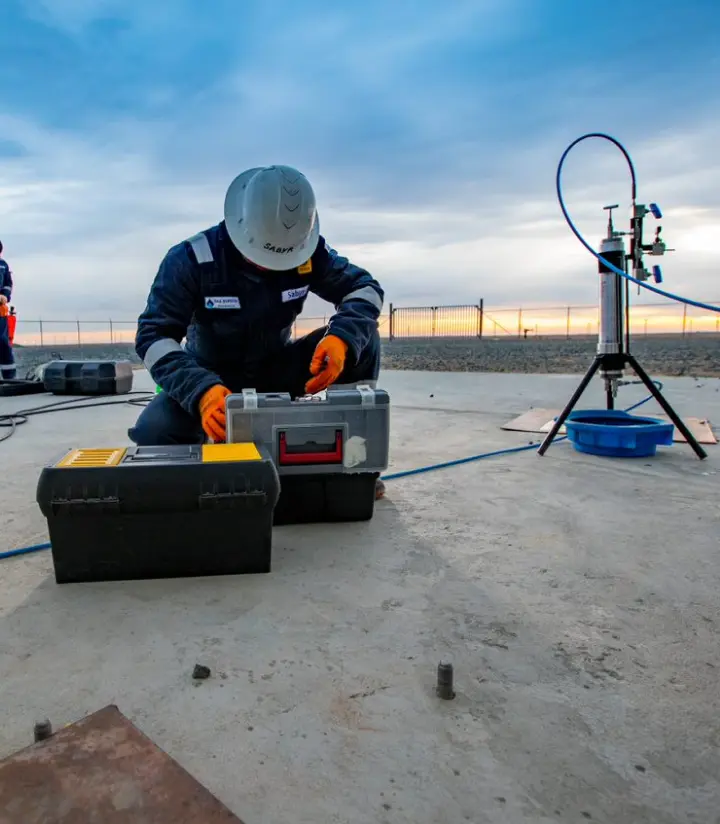
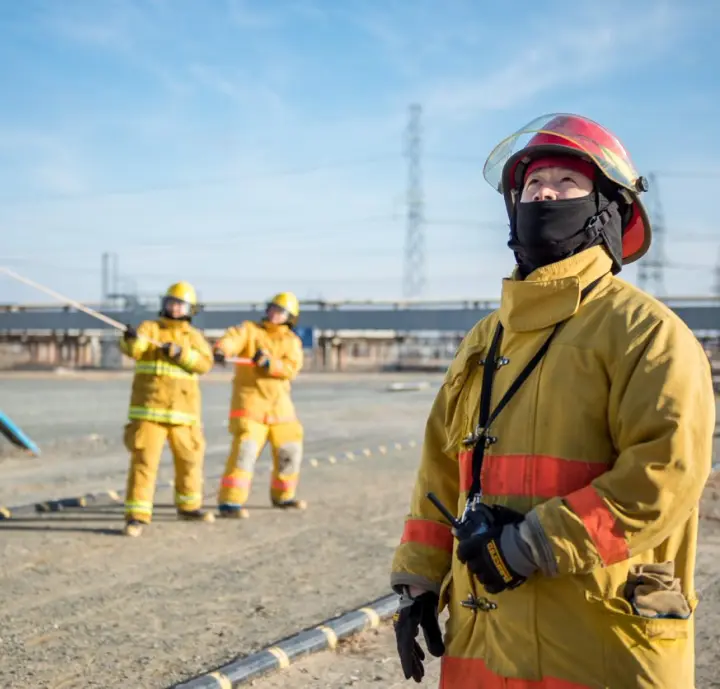
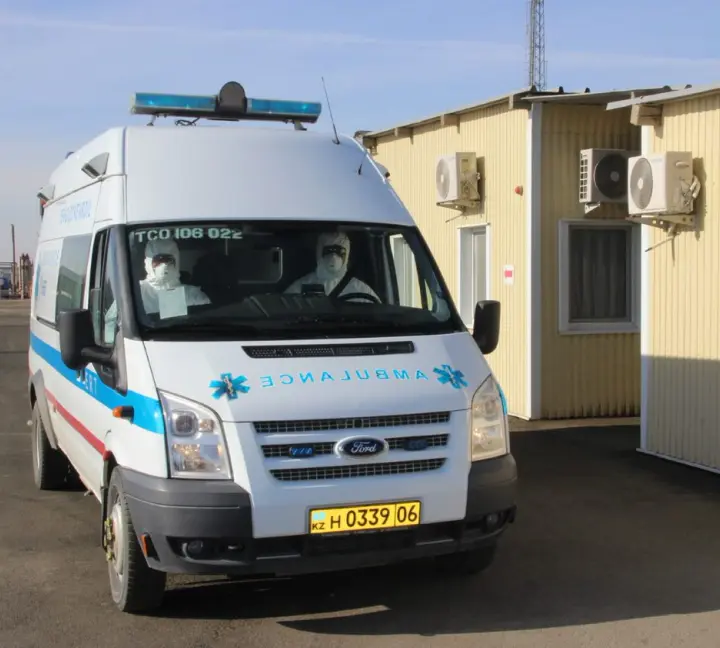

The Contractor Health, Environment and Safety Management Process establishes clear accountabilities, ensures active engagement of contractors, and provides a consistent CHESM program to eliminate health, safety and environment (HSE) incidents and injuries involving contractors.
The requirements and activities included in CHESM process are focused on defining TCO expectations regarding contractor HSE performance, the qualification of contractors and the monitoring of contractor performance against expectations.
Contractors involved in activities presenting risks to workforce and process safety are subject to CHESM Qualification to evaluate HSE Management Systems and ensure adequate safeguards are in place and functioning before starting work at TCO Facilities.
TCO's work is guided by two key principles: do it safely or not at all and there is always time to do it right. Every employee of TCO and its Business Partner companies is responsible for making sure that work can be safely started. Each person has the right to temporarily suspend or completely stop any work if unsafe behavior or conditions are observed. The TCO Safe Work Practices Management Group, together with other teams, ensure that Occupational Safety and Health (OSH) guidelines and procedures are continuously implemented and maintained.
On April 2–3, the Geoscience & Exploration Central Asia (GECA) International Forum was held in Astana, bringing together representatives of government authorities, the scientific community, and industry experts, as well as national and international oil and gas companies, including Tengizchevroil LLP (TCO).
The forum has become one of the largest industry platforms in the region and is focused on key issues related to geology and exploration, the development of Central Asia’s hydrocarbon resources, the introduction of modern technologies, and prospects for international cooperation in the oil and gas sector. Participants discussed the major challenges facing the industry, including the need to improve project efficiency, implement innovative solutions, and ensure sustainable development while taking environmental and social factors into account.
The forum featured plenary and panel sessions with the participation of representatives from relevant government bodies, national companies, and international energy corporations. Particular attention was paid to the role of Central Asia in ensuring regional and global energy security, as well as to the potential for further development of geological exploration in the context of the evolving global energy landscape.
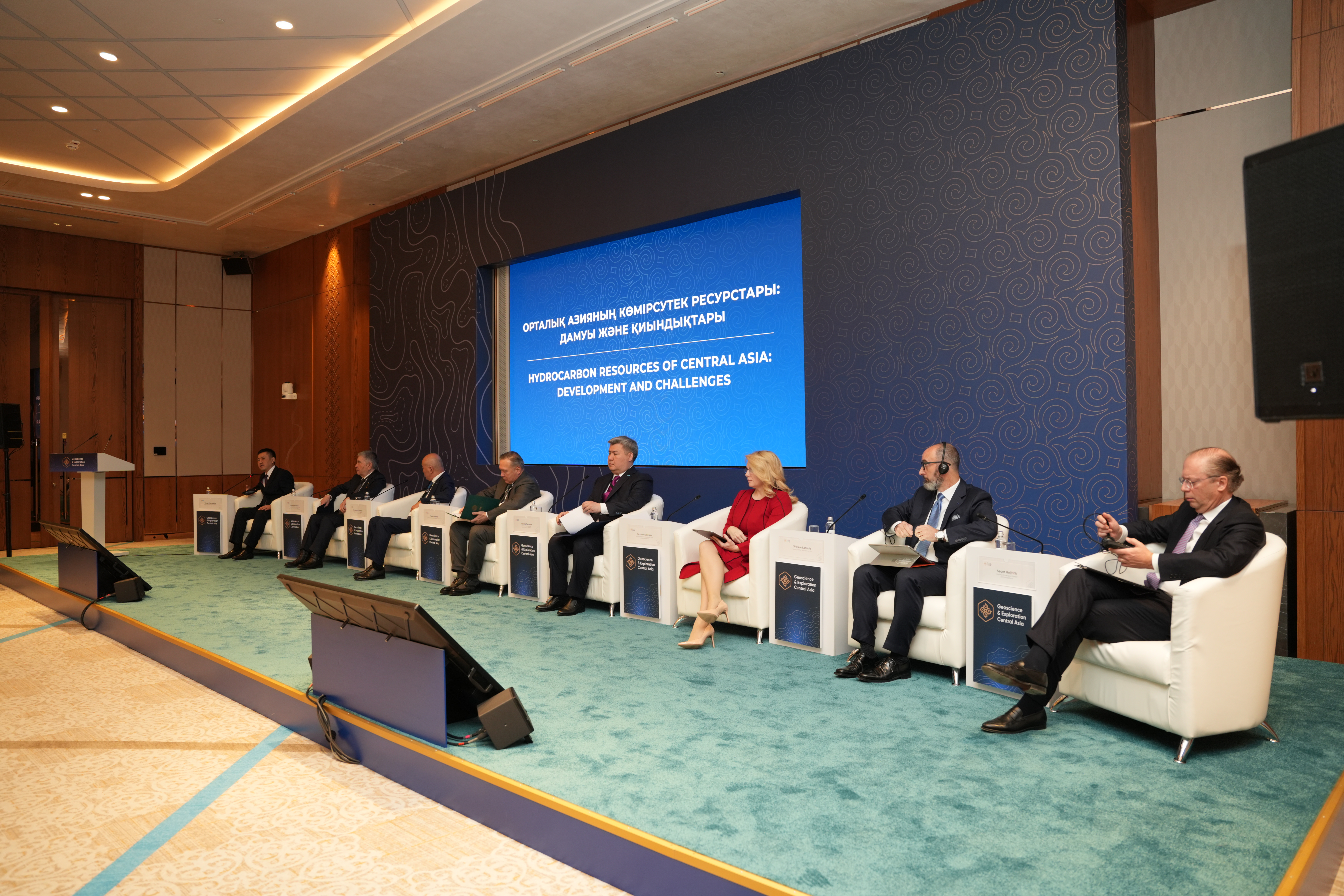
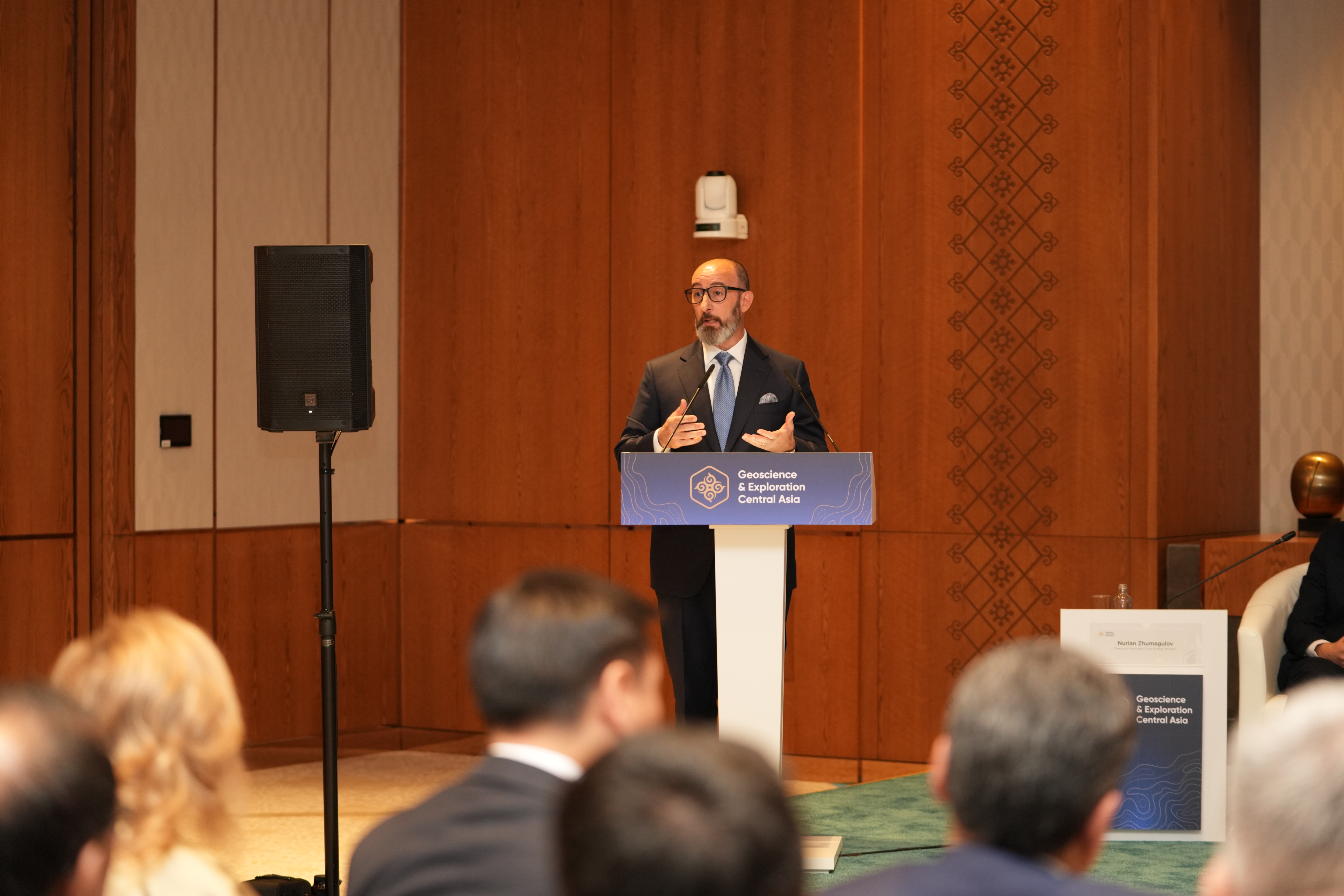
Tengizchevroil LLP took an active part in the forum. As part of a panel session dedicated to the development of Central Asia’s hydrocarbon resources, William Lacobie, General Director of TCO, delivered a keynote presentation. In his remarks, he highlighted the strategic importance of the region in ensuring global energy security and emphasized the importance of a responsible and sustainable approach to the development of oil and gas projects.
The TCO General Director also stressed the need to maintain a balance between efficient resource development, the adoption of advanced technologies, human capital development, and adherence to high standards of industrial and environmental safety.
Mr. Lacobie said, “Our experience at Tengiz demonstrates that sustainable success is possible only through a combination of three key factors: a stable and predictable regulatory environment, world-class technological expertise, and strong partnerships with government authorities and local communities.”
For mature and technically complex fields such as Tengiz, technological innovation plays a key role in increasing oil recovery, enhancing industrial safety, and improving operational efficiency. Total proven reserves of the Tengiz reservoir amount to 3.1 billion tonnes, or approximately 25 billion barrels of oil, while the Korolev Field contains 200 million tonnes, or 1.6 billion barrels. Recoverable oil reserves of the Tengiz and Korolev fields are estimated at 1.4 billion tonnes, or about 11 billion barrels.
At the same time, the company recognizes that the oil and gas industry today operates under heightened public scrutiny. For TCO, environmental protection, industrial safety, and social responsibility are not separate areas of focus, but an integral part of its operational and strategic activities.
Since 2000, the company has invested more than 3.2 billion USD in environmental protection initiatives. Over this period, atmospheric emissions per tonne of oil produced have been reduced by 78 percent. For TCO, it is important not only to reduce environmental impact, but also to continuously enhance environmental and industrial safety standards.
TCO also firmly believes that the development of hydrocarbon resources should go hand in hand with the development of host regions and improvements in quality of life. From 1993 to 2025, TCO’s direct financial contributions to the Republic of Kazakhstan totaled approximately 212 billion USD. This amount includes wages paid to Kazakhstani employees, procurement of goods and services from local suppliers, payments to state-owned enterprises, dividends to the Kazakhstani partner, as well as taxes and royalties transferred to the state budget. Since 1993, TCO has procured goods and services from Kazakhstani suppliers totaling approximately 52.3 billion USD.
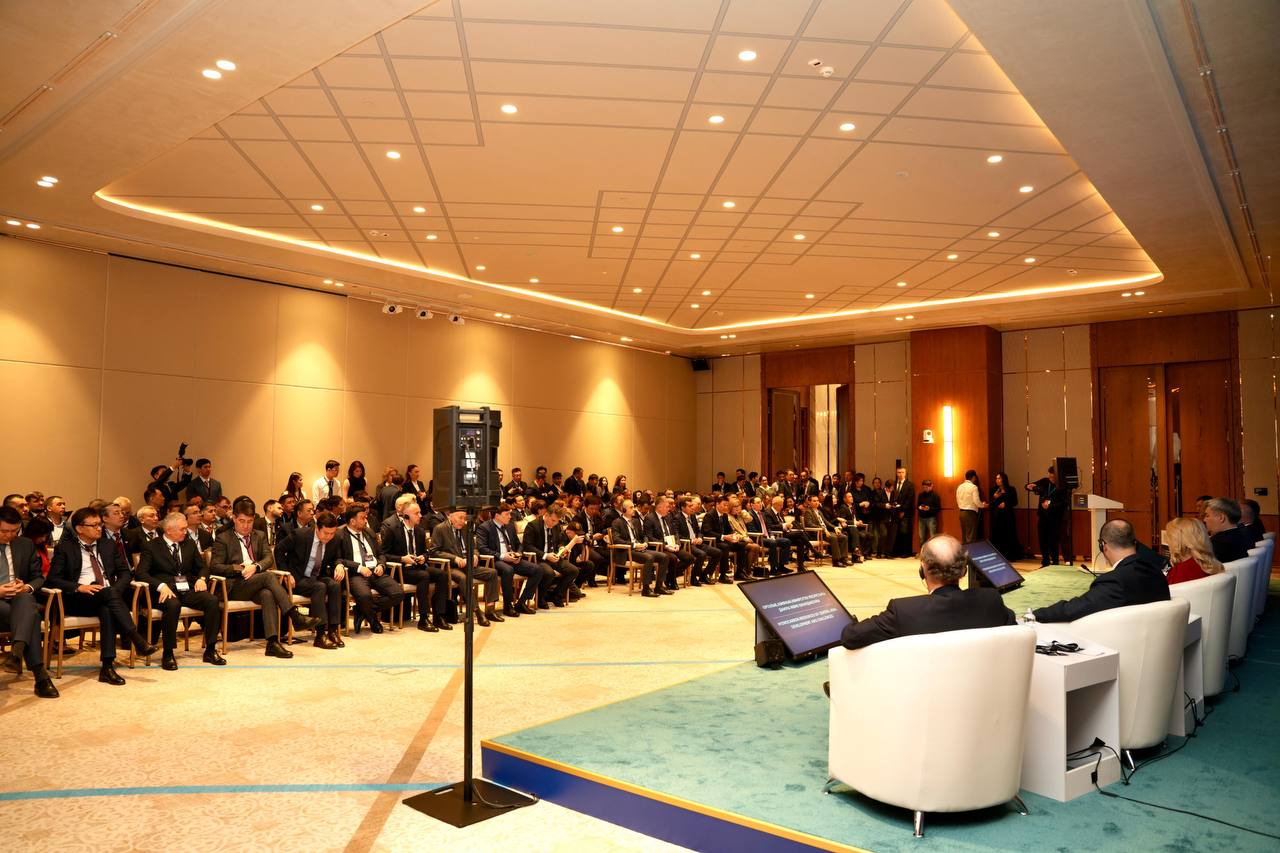
Participation of Tengizchevroil LLP in the GECA Forum reflects the company’s commitment to fostering open dialogue with industry partners, government authorities, and the expert community, as well as to sharing international best practices in geology, exploration, and hydrocarbon production.
On April 2–3, the Geoscience & Exploration Central Asia (GECA) International Forum was held in Astana, bringing together representatives of government authorities, the scientific community, and industry experts, as well as national and international oil and gas companies, including Tengizchevroil LLP (TCO).
The forum has become one of the largest industry platforms in the region and is focused on key issues related to geology and exploration, the development of Central Asia’s hydrocarbon resources, the introduction of modern technologies, and prospects for international cooperation in the oil and gas sector. Participants discussed the major challenges facing the industry, including the need to improve project efficiency, implement innovative solutions, and ensure sustainable development while taking environmental and social factors into account.
The forum featured plenary and panel sessions with the participation of representatives from relevant government bodies, national companies, and international energy corporations. Particular attention was paid to the role of Central Asia in ensuring regional and global energy security, as well as to the potential for further development of geological exploration in the context of the evolving global energy landscape.
Tengizchevroil LLP took an active part in the forum. As part of a panel session dedicated to the development of Central Asia’s hydrocarbon resources, William Lacobie, General Director of TCO, delivered a keynote presentation. In his remarks, he highlighted the strategic importance of the region in ensuring global energy security and emphasized the importance of a responsible and sustainable approach to the development of oil and gas projects.
The TCO General Director also stressed the need to maintain a balance between efficient resource development, the adoption of advanced technologies, human capital development, and adherence to high standards of industrial and environmental safety.
Mr. Lacobie said, “Our experience at Tengiz demonstrates that sustainable success is possible only through a combination of three key factors: a stable and predictable regulatory environment, world-class technological expertise, and strong partnerships with government authorities and local communities.”
For mature and technically complex fields such as Tengiz, technological innovation plays a key role in increasing oil recovery, enhancing industrial safety, and improving operational efficiency. Total proven reserves of the Tengiz reservoir amount to 3.1 billion tonnes, or approximately 25 billion barrels of oil, while the Korolev Field contains 200 million tonnes, or 1.6 billion barrels. Recoverable oil reserves of the Tengiz and Korolev fields are estimated at 1.4 billion tonnes, or about 11 billion barrels.
At the same time, the company recognizes that the oil and gas industry today operates under heightened public scrutiny. For TCO, environmental protection, industrial safety, and social responsibility are not separate areas of focus, but an integral part of its operational and strategic activities.
Since 2000, the company has invested more than 3.2 billion USD in environmental protection initiatives. Over this period, atmospheric emissions per tonne of oil produced have been reduced by 78 percent. For TCO, it is important not only to reduce environmental impact, but also to continuously enhance environmental and industrial safety standards.
TCO also firmly believes that the development of hydrocarbon resources should go hand in hand with the development of host regions and improvements in quality of life. From 1993 to 2025, TCO’s direct financial contributions to the Republic of Kazakhstan totaled approximately 212 billion USD. This amount includes wages paid to Kazakhstani employees, procurement of goods and services from local suppliers, payments to state-owned enterprises, dividends to the Kazakhstani partner, as well as taxes and royalties transferred to the state budget. Since 1993, TCO has procured goods and services from Kazakhstani suppliers totaling approximately 52.3 billion USD.
Participation of Tengizchevroil LLP in the GECA Forum reflects the company’s commitment to fostering open dialogue with industry partners, government authorities, and the expert community, as well as to sharing international best practices in geology, exploration, and hydrocarbon production.